The confidence in the reliability, integrity, and intentions of others within a team or organisation.
Trust is the foundation of effective teamwork. When team members trust each other, they communicate openly, collaborate more effectively, and are more willing to take risks and share ideas. In high-trust environments, people feel safe expressing themselves, admitting mistakes, and supporting one another, all of which contribute to stronger relationships and better outcomes.
Trust is built over time through shared experiences, consistency, and mutual respect. A lack of trust can lead to miscommunication, conflict, and disengagement, while strong trust fosters a culture of psychological safety, accountability, and high performance.
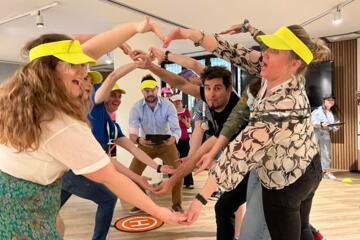
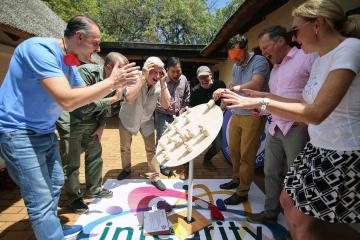
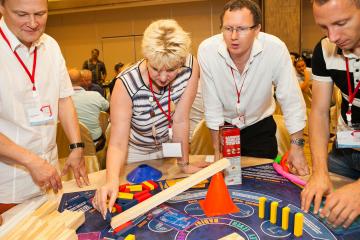
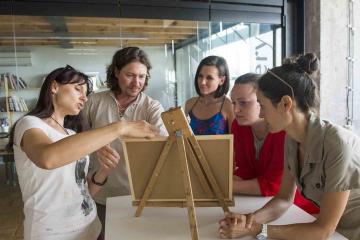
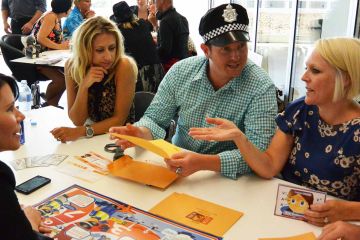
Experiential team-building activities offer a powerful way to develop and strengthen trust. Catalyst Global offers a range of programmes that create safe yet challenging environments where individuals must rely on each other, communicate clearly, and work together toward shared goals.
Research shows that teams built on trust are more engaged, resilient, and effective. By participating in shared challenges and meaningful experiences, teams learn to build trust not just for the activity but for the long term, translating directly to better collaboration in the workplace.
Här är
ett urval av Catalysts populäraste företagsspel och teambyggande aktiviteter
som fokuserar på detta resultat.
Behöver du hjälp att välja?
Letar du efter något annat?